
Contents▾
- What counts as the centre of Rostov-on-Don
- Bolshaya Sadovaya and the neighbouring blocks: for your first walk around the city
- Pushkinskaya, the lanes and old Rostov without the bustle
- The Don embankment, Central Market and city views
- Where to go from the centre if you have one more day
- Where to stay
- How to choose an area and not make a mistake
If you are looking for hotels in central Rostov-on-Don, it helps to understand the city centre itself first: it stretches along the Don, and each part has its own rhythm. For a first trip, I would look at the areas around Bolshaya Sadovaya, Pushkinskaya and the embankment - it is easier to walk between museums, old quarters, the market and river views.
What counts as the centre of Rostov-on-Don
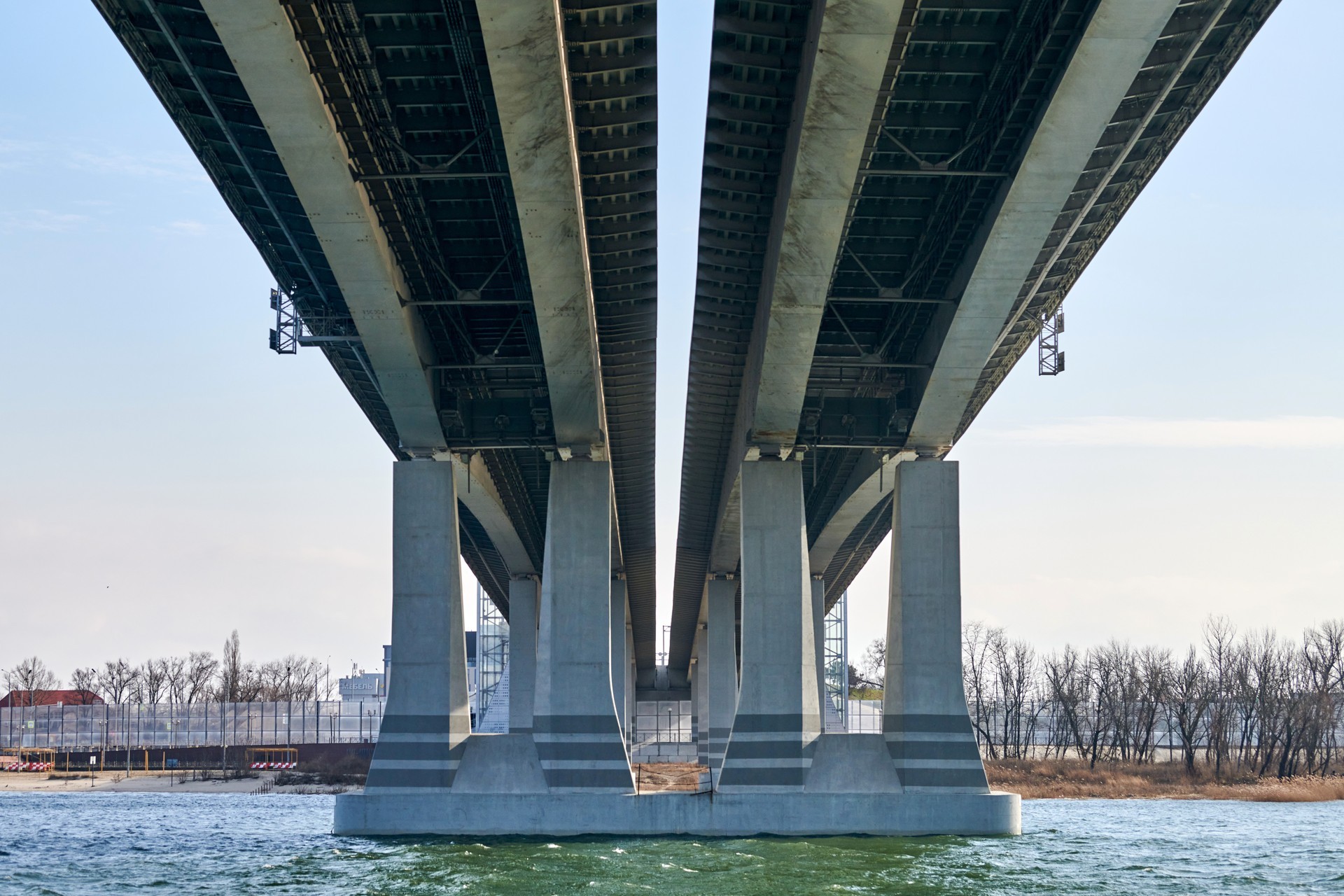
In Rostov, the centre is not limited to one square. The city stands on both banks of the Don, and the historic and walking area stretches in a band from the Don River embankment up to Bolshaya Sadovaya Street and then on to Pushkinskaya. For a short trip, it is most convenient to stay in the blocks where you can walk from the water to the old buildings without long journeys.
I would divide the centre into several clear zones. The first is the Bolshaya Sadovaya area: grand facades, theatres, banks, old apartment houses and a dense urban rhythm. The second is Pushkinskaya Street, calmer and better for walking, with trees and a long boulevard line. The third is the Don embankment, where people go for the sunset, the river breeze and a walk by the water. To get a quick feel for Rostov-on-Don, start with this triangle.
Rostov has one important feature of its landscape: there is a noticeable change in elevation between the upper streets and the embankment. On the map everything looks close, but on a hot day the constant climbs and descents get tiring faster than it seems. So it is worth choosing an area not only by its distance from the centre, but also by the kind of walks you are planning - along the river, through museums or around old quarters.
Bolshaya Sadovaya and the neighbouring blocks: for your first walk around the city
Bolshaya Sadovaya is the very axis from which it is easiest to begin getting to know Rostov. Here it is easier to grasp the scale of the city: a wide main road, prominent public buildings, old facades and constant movement. If you are in Rostov for the first time and want to walk out in the morning to the main sights, use this corridor as your guide.
Along the way, it is worth stopping by the Musical Theatre - its modern building is easy to recognise by the silhouette that has long become a landmark in the city. Not far away is the Rostov Regional Museum of Local Lore: a good option if you want to quickly gather context about the Don, mercantile Rostov and the region's history. Another stop is Maxim Gorky Park, an old city park in the central area that is convenient for a short break between streets and museums.
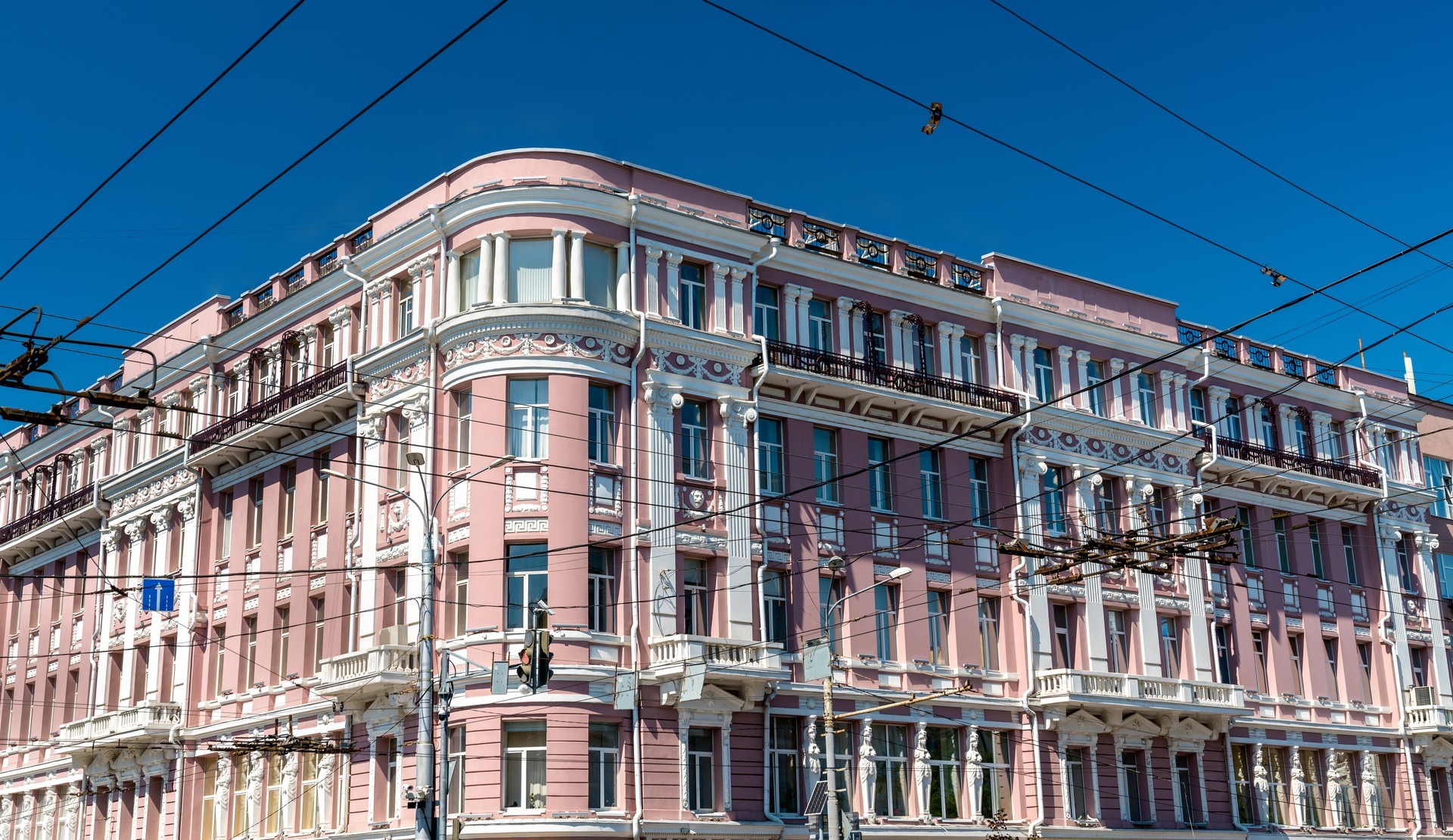
If you enjoy architecture without rushing, turn off Bolshaya Sadovaya into the cross streets. That is where Rostov's contrasts are seen best: a grand facade may stand next to a quiet courtyard, an old staircase or low-rise merchants' buildings. This is not an open-air museum, but a living centre, and that is its main interest.
Pushkinskaya, the lanes and old Rostov without the bustle
Pushkinskaya Street suits those who value the centre not for transport convenience, but for its walking rhythm. It is a long green axis where it is pleasant to walk without a goal, turning into lanes and coming back again. If you stay nearby, in the morning you can go out for coffee and simply walk under the trees for half an hour, then return here again in the evening after the noisy embankment.
From Pushkinskaya, it is convenient to get to the Rostov Regional Museum of Fine Arts. It is a good choice for very hot weather or a windy day by the river: the route stays in the centre, but the impressions change - from streets to galleries with paintings. Nearby you also come across more intimate fragments of the old city, where Rostov feels not like a transport hub, but like a southern merchant centre with the uneven texture of its blocks.
If you have time, walk to Pokrovsky Square. It is not a place for a separate trip, but rather a convenient point for a pause during a city walk. In central Rostov, it is generally better to plan not a checklist of sights, but a route in short segments: Pushkinskaya, a museum, a square, a couple of lanes, then a descent to the Don.
The Don embankment, Central Market and city views
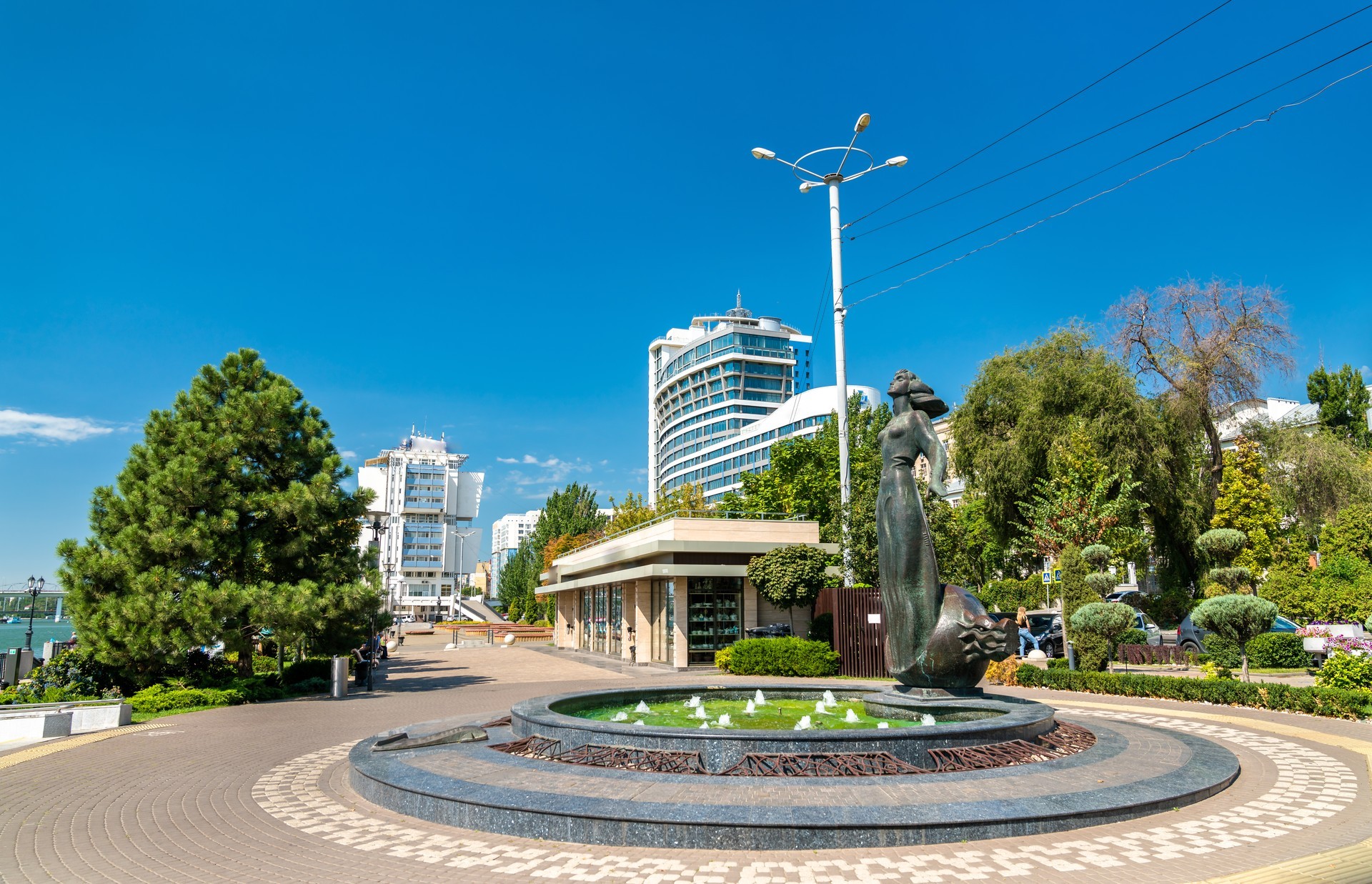
The main thing that sets Rostov apart from many large southern cities is the constant presence of the river. The Don here is not just a geographical label in the name: it shapes the air, the sense of space and the direction of your walk. The embankment is especially good towards evening, when the heat drops and the city begins to look broader. For a beautiful route, I would walk from top to bottom: from the central streets down to the water, not the other way round.
Not far from the centre is Central Market - a useful stop if you want to feel the local rhythm without the frame of a museum. Here the southern character of the city becomes clearer: conversations are louder, the stalls feel livelier, the smells of food are stronger. It is a good place to try Don-region food without a complicated plan: fish, seasonal vegetables, pickles and baked goods.
For a short trip beyond the dense centre, you can go to Levoberezhny Park on the other bank of the Don. It gives a different perspective on the city and the water, especially if you want space after the tight central blocks. And if you are interested not only in the city itself but also in the region, you can separately look at routes around Rostov-on-Don as a starting point for trips down the Don and towards Azov.
Where to go from the centre if you have one more day
If you have already covered the centre, do not rush to leave after the embankment and Bolshaya Sadovaya. Rostov opens up well through places slightly beyond the first tourist circuit. For example, Nakhichevan is a historic district connected with the Armenian chapter of the city. What matters there is not one single site, but the very fabric of the streets, a different scale of buildings and the feeling that you have stepped out of the grand centre into another urban layer.
Among museums, it is worth keeping the Rostov Museum of Cosmonautics in mind if you want something not obvious for a southern city. And for a calm walk with a pause in nature, the Botanical Garden of Southern Federal University is a good choice - this is no longer the centre in a walking sense, but a good half-day option when you want to get away from the noise of the main roads.
If you have a car, you can plan a trip to Starocherkasskaya. This is the former capital of the Don Cossacks, where people go not for entertainment, but for the feeling of the Don landscape, old churches and a slower scale of life. This trip complements urban Rostov well: after the dense centre, it becomes clearer how strongly the city is connected with the river, trade and Cossack lands.
Where to stay
If you need hotels in central Rostov-on-Don or close to the main city routes, it is most convenient to choose options with the shortest distance to the centre among those available on the site. Below are several options from which it is easier to get to the central streets and walking spots.
- Rostov - hotel, distance to the centre 3230 m, prices from 2,800 RUB. Suitable for those who want to be closer to the central blocks without overpaying; the listed services include free parking and wi-fi.
- Marton Villa Rossa - hotel, distance to the centre 3810 m, prices from 2,880 RUB. An option for those looking for a hotel in central Rostov-on-Don or in a nearby urban area and planning to move around the city a lot.
- Dobrye Kvartiry Apartment Network - apartments, distance to the centre 4350 m, prices from 2,250 RUB. A practical option if the apartment format matters more and you need wi-fi.
- Sova - hotel, distance to the centre 4490 m, prices from 2,744 RUB. It may be convenient for those travelling by car: the listed services include free parking, wi-fi, and pets are allowed.
- Green Hall Apartments - aparthotel, distance to the centre 5240 m, prices from 2,430 RUB. Suitable for those who need a more independent accommodation format; there is wi-fi, free parking, and pets are allowed.
How to choose an area and not make a mistake
For a first trip, I would advise not chasing the wording "the very centre", but looking at your walking plan. If theatres, old streets and quick access to museums matter, it is more convenient to stay in the Bolshaya Sadovaya zone. If you want a calmer urban rhythm, the blocks closer to Pushkinskaya are better. If the main plan is evening walks to the water, look at locations from which it is easy to go down to the embankment and come back without long uphill walks.
Rostov is best when you do not try to cover it in a single dash. It is better to choose one part of the centre for the morning, another for the evening and leave some energy for the Don. And one more practical tip: in summer, take water, a hat and comfortable shoes - the centre seems compact here, but over the course of a day the kilometres, stairs and climbs add up.
Frequently asked questions
The most pleasant months for long walks are warm spring and early autumn, when it is easier to walk the streets and go down to the embankment without intense heat. Summer is interesting too, but during the day the centre and the Don can be tiring, so it is better to plan walks in the morning and towards evening.
For a first acquaintance, 2 days are enough: one day for Bolshaya Sadovaya, Pushkinskaya, museums and the park, the second for the embankment, the market and the Nakhichevan district or a trip to Starocherkasskaya. If you like slow walks and museums, it is better to allow 3 days.
You need comfortable shoes, water, a hat and a light extra layer for an evening walk by the Don. A power bank is also useful: it is easy to spend a whole day in the centre on a route between streets, museums and the embankment.
If you mostly walk, the budget is quite moderate: the main expenses go on food, city transport and museum tickets. For a day without shopping, it is reasonable to budget about 2,000-5,000 RUB per person, depending on the programme and the number of paid visits.
By plane, people usually look at the availability of flights to the region, but Platov Airport has one important caveat: civilian flights may be suspended, and this needs to be checked before the trip. That is why many people travel by train or by car; for the centre this is often even more convenient, especially if you plan to start walking around the city right away.