
Contents▾
- Where to stay in Moscow if you want to do a lot of walking
- Areas for walks by the water, parks and long embankments
- Where a tourist should stay in Moscow for museums, old streets and an atmosphere without haste
- Which area of Moscow to stay in if logistics matter
- Practicalities: when to come, what to bring and what budget to allow
- Where to stay
- Conclusion: how to choose an area without unnecessary doubts
The question of where to stay in Moscow is better decided not by a district's big name, but by your route for the day: walking in the centre, museums, embankments, parks or business meetings. Moscow is large, radial, stands on the Moskva River, and a good choice of area here is often more important than a few extra minutes to the next metro station.
Where to stay in Moscow if you want to do a lot of walking
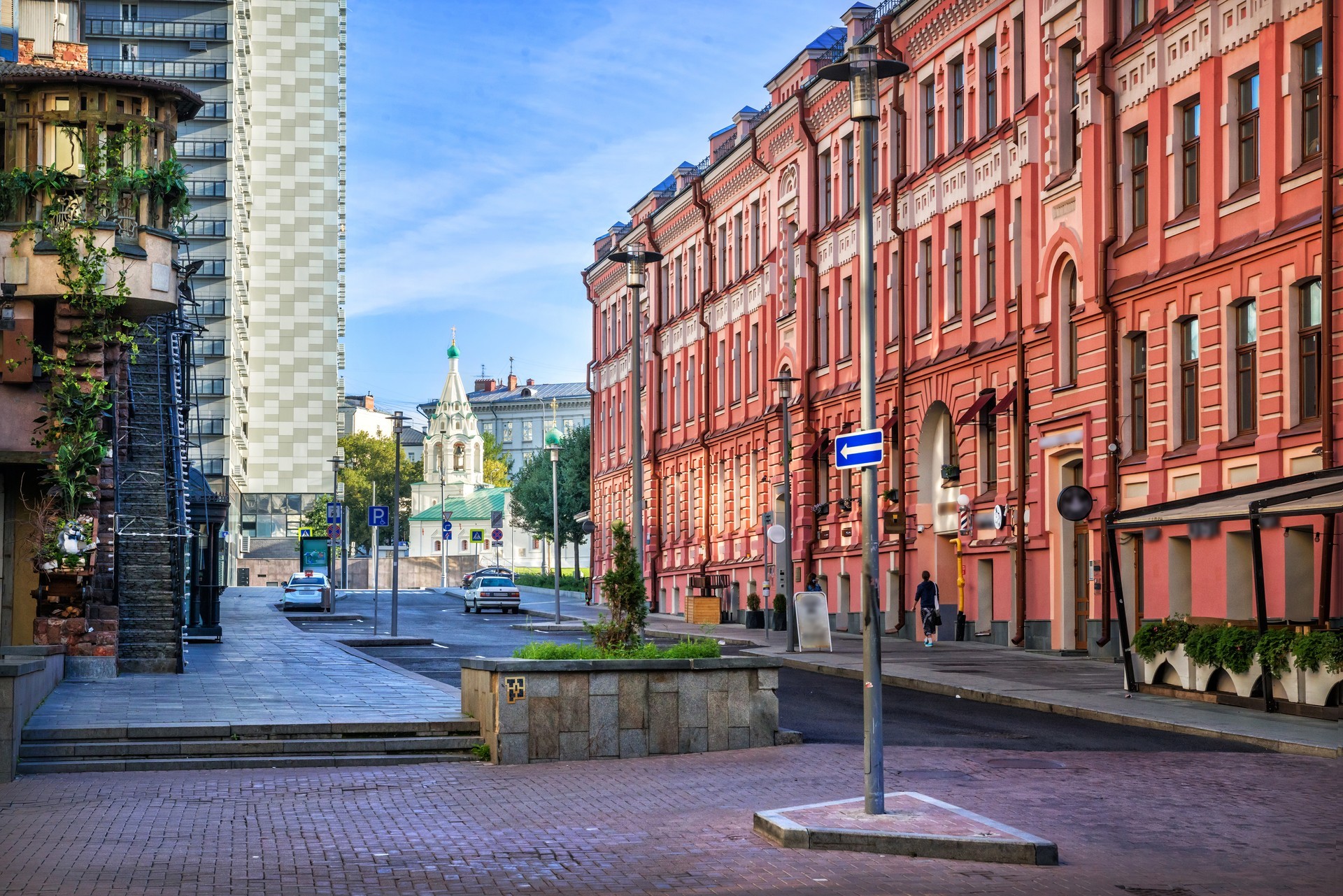
If you are coming for your first visit to the city, the most convenient place to stay is within or close to the Garden Ring - in the areas of Tverskoy, Arbat, Zamoskvorechye, Kitay-Gorod, Chistye Prudy. Here it is easy to put together a full day without long transfers: go out to Red Square in the morning, then walk to Alexander Garden, go down along the Kremlin wall to the Moskva River and continue along the embankments.
Of the central routes, the easiest to understand is from Manezhnaya Square through Nikolskaya to Lubyanka, then to the UNESCO World Heritage sites in Russia - in Moscow these are the Kremlin and Red Square, which remain the city's main historical point. If you want not ceremonial Moscow but a more residential one, go into the lanes of Arbat and Prechistenka: there is less bustle, the old facades are easier to appreciate, and an evening walk is calmer than on Tverskaya.
For museums, Zamoskvorechye and Yakimanka are especially convenient. From here you can walk to the Tretyakov Gallery, Muzeon Arts Park and Krymskaya Embankment. I would advise allowing half a day for the Tretyakov Gallery - bridges over the Vodootvodny Canal - Patriarshy Bridge - Cathedral of Christ the Saviour combination: the route is short on the map, but you constantly want to stop.
Areas for walks by the water, parks and long embankments
Moscow stands on the Moskva River in its middle course, and this is not just geography but a good guide when choosing an area. If it matters to you to walk by the water, look at Khamovniki, Yakimanka, Taganka and the areas along the embankments. Here the city opens up not through individual sights, but through long connected walks.
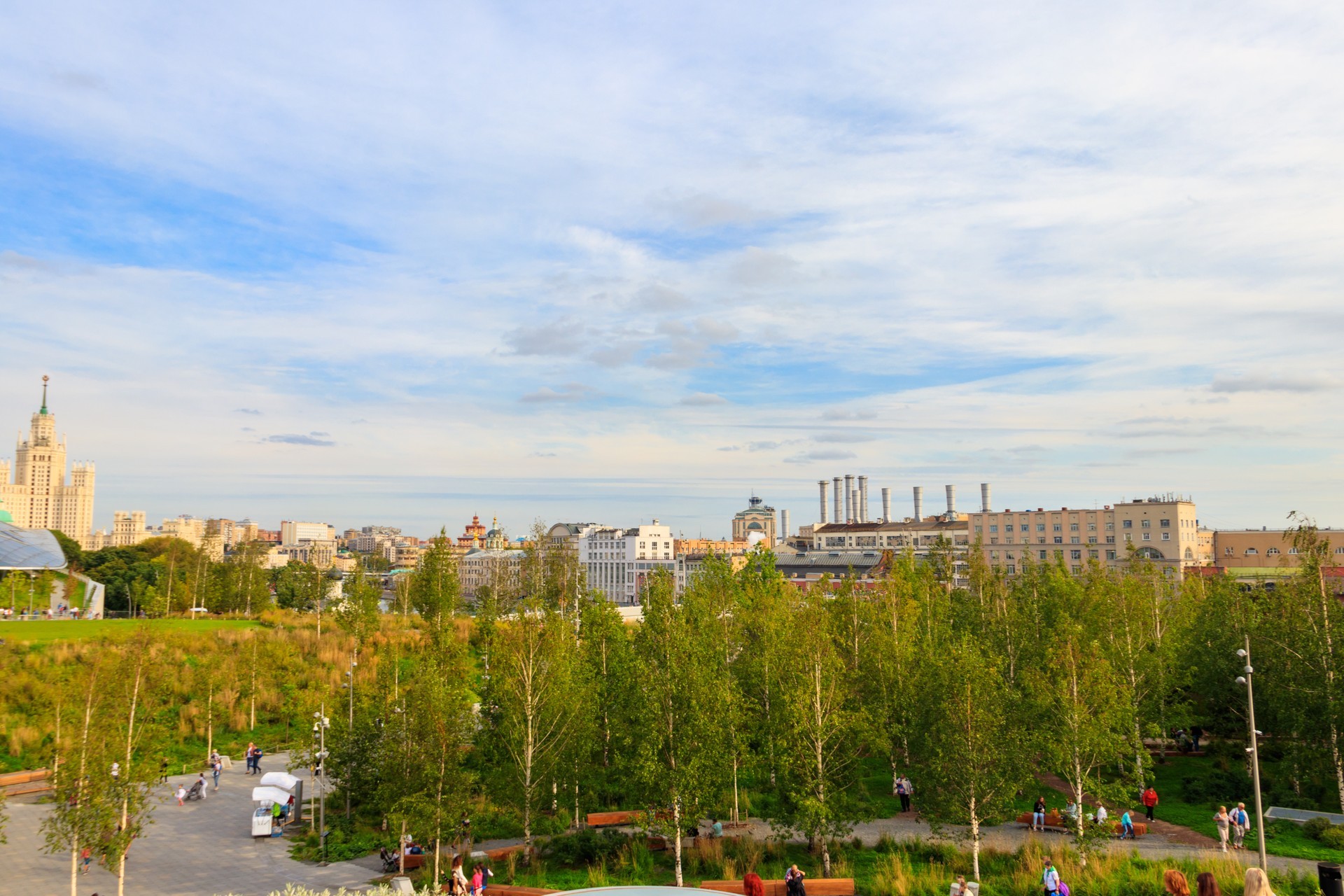
One of the best routes is Sparrow Hills and Neskuchny Garden. At the Sparrow Hills viewing platform people usually stay longer than they planned: from here you can see the bend of the Moskva River, the sports complex in Luzhniki and the city's high-rise skyline. Below on the slope begins a nature reserve with trails, and farther on the walk smoothly flows into Neskuchny Garden and Gorky Central Park of Culture and Leisure.
Another strong option is Kolomenskoye. This is no longer just a park, but a museum-reserve with a high riverbank, old avenues and the Church of the Ascension, which is on the World Heritage list. If you stay in the south or south-east of the city, it is convenient to come here early in the morning, while there are fewer people on the main paths. Tsaritsyno is also good for a family walk: people come here for the large palace-and-park ensemble, the cascade of ponds and the long paths that are comfortable to walk even on a busy weekend day.
For those who like quieter green spaces, I recommend Sokolniki and the N. V. Tsitsin Main Botanical Garden. In Sokolniki it is convenient to cycle and simply leave the central alleys for the side clearings. The Botanical Garden is good not only for its plant collections, but also for the feeling that the big city has temporarily stepped back.
Where a tourist should stay in Moscow for museums, old streets and an atmosphere without haste
If it is more important for you not to rush to see everything, but to experience the city at a calm pace, look at Zamoskvorechye, Chistye Prudy, Pokrovka, Prechistenka and the area around Patriarch's Ponds. These are areas where a day is easily built around one or two points, and everything else happens on the way: a courtyard, a lane, a small museum, a view of a bell tower, a coffee shop in an old house.
Zamoskvorechye is convenient because nearby there is not only the Tretyakov Gallery, but also old streets with low-rise buildings, where Moscow feels less ceremonial. From here it is easy to walk to the House on the Embankment, Bolotnaya Square and the island part of the centre. At Chistye Prudy a good scenario is to start with the boulevards, walk to Pokrovka and Maroseyka, and then go down into Kitay-Gorod. This is one of those routes where you do not need a strict plan.
For the historical monastic and museum layer, it is worth going to Novodevichy Convent and its ponds. The area around it is calmer than the very centre, and the place itself combines well with a walk through Khamovniki. If you are interested in architecture and urban panoramas of a different type, head to VDNKh: in addition to the pavilions and wide vistas, nearby are the Museum of Cosmonautics and Ostankino Park. Here it is better not to try to race through everything - the territory is large, and it is sensible to set aside a separate day for it.
Which area of Moscow to stay in if logistics matter
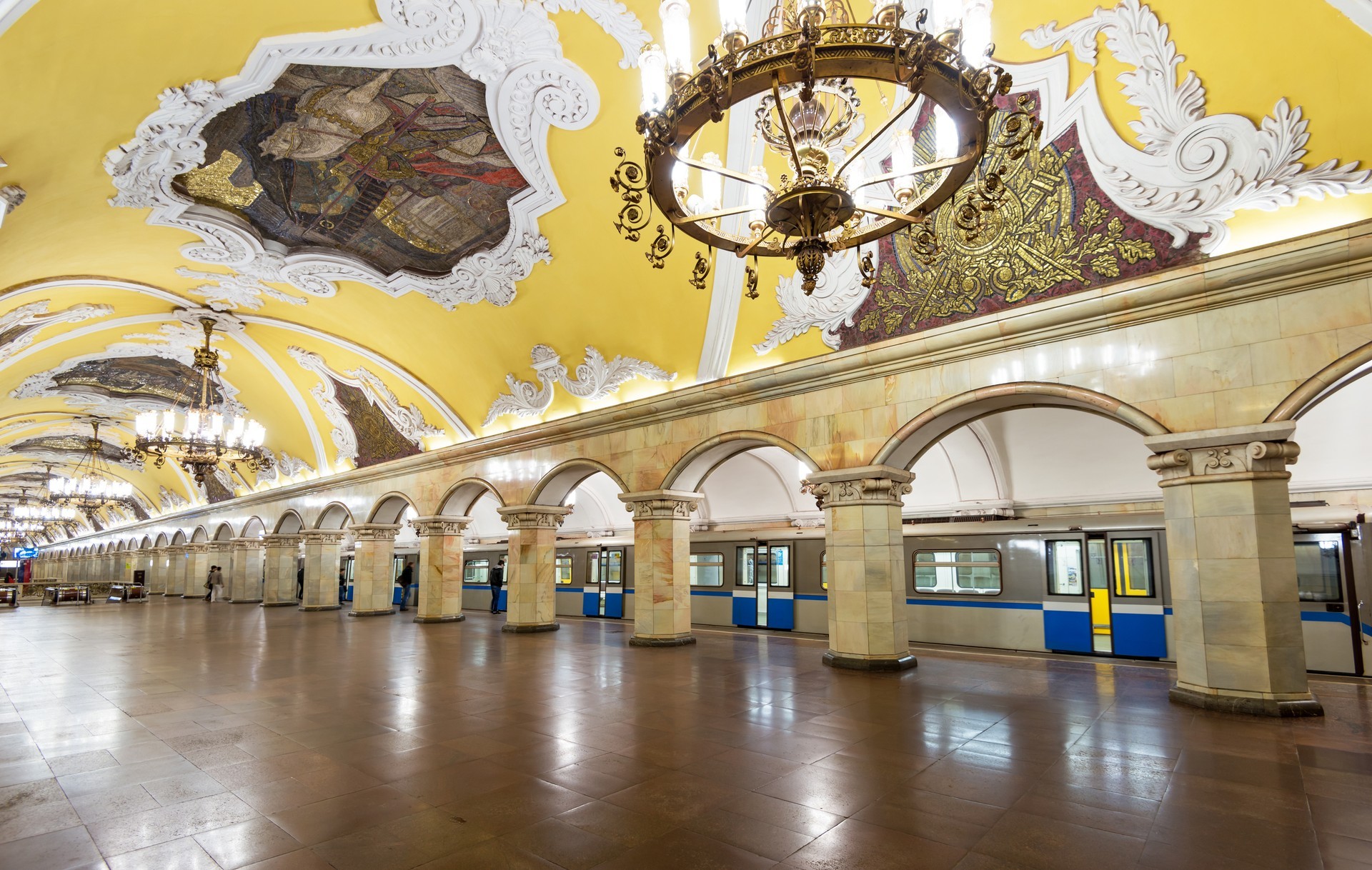
For a short trip I always advise checking not only the area, but also the specific combination of walking to the metro - one line without changes - the evening way back. In Moscow you can stay comparatively close to the centre in kilometres, but lose extra time because of an inconvenient transfer or a long exit from the station.
If you fly into Sheremetyevo, Domodedovo, Vnukovo or Zhukovsky and do not want to plunge into complicated logistics right away, choose areas with straightforward metro access and without the need to use ground transport until late evening. For walks and museums, Taganka, Paveletskaya, Belorusskaya, Kurskaya and Prospekt Mira are most often convenient. From here it is easy to go both to the centre and to more distant points such as VDNKh, Sokolniki or Kolomenskoye.
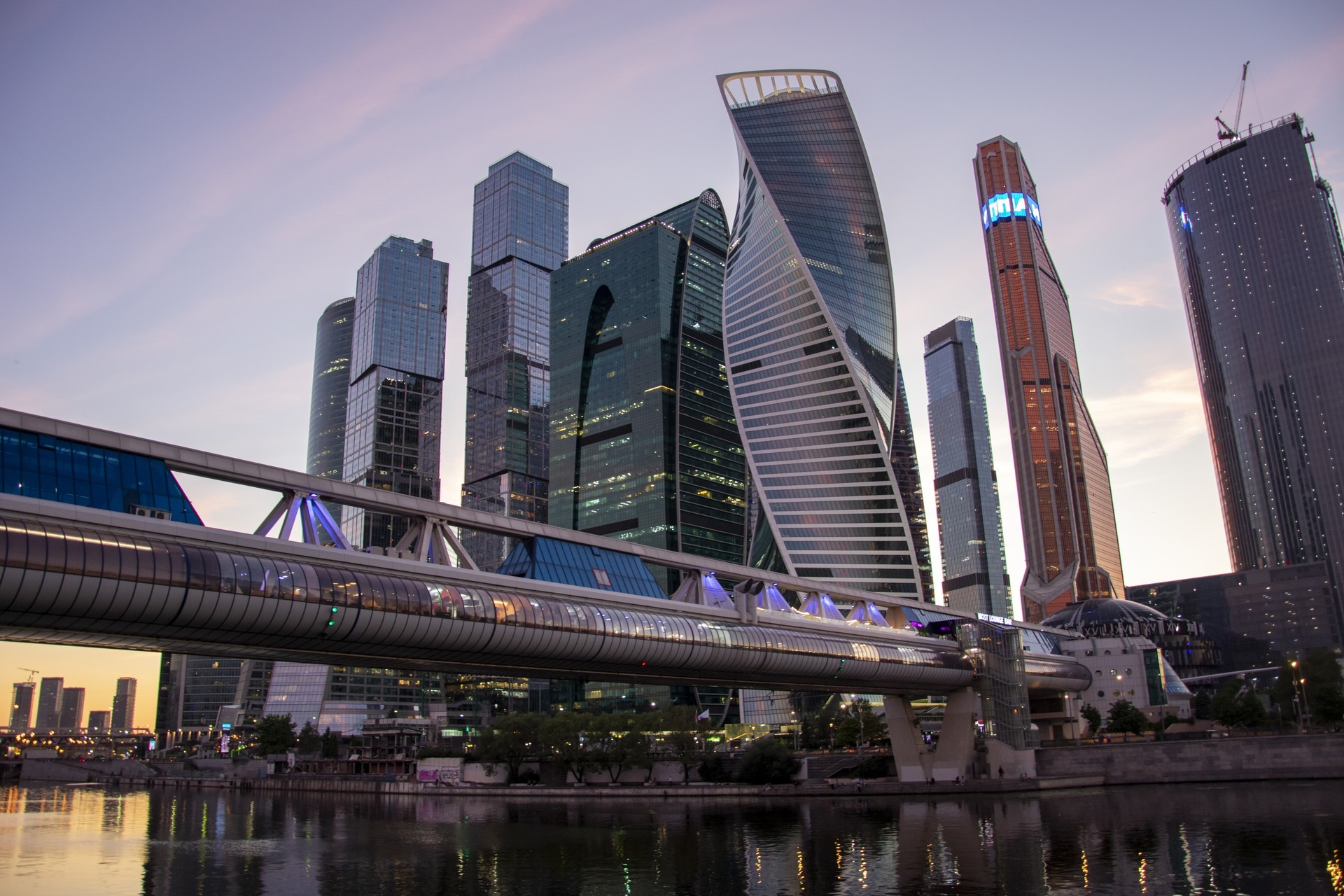
I would choose Moscow City not for a box-ticking exercise, but if you need a modern business district, beautiful evening views and quick access to business meetings. But for a first trip it is less convenient than the old central districts: it is interesting to walk there in fragments, not for a whole day. For a family route, areas by the ring metro lines and near large parks are usually easier - that means less fatigue from getting around. If you are travelling with a child, the article how to keep a child occupied on transport may also be useful.
A good practical rule is simple: if during the day you plan the centre plus one large park or museum cluster, it is better not to stay in the most distant residential district, even if it seems quieter. Moscow likes a compact route. The fewer changes you make, the more energy you will have left for the city itself.
Practicalities: when to come, what to bring and what budget to allow
The most pleasant months for long walks are late spring and early autumn, when you can walk a lot and not depend on the weather every half hour. In summer it is convenient to spend time by the water, in parks and on embankments, but there are more people in the centre. In winter it is better to build the day around museums, short outdoor stretches and places where you can go inside to warm up often.
Of the things to bring, the most useful are comfortable shoes, a light backpack, a bottle of water and a power bank. Even if the route seems short, in Moscow it is easy to cover many walking kilometres in a day. For walks along the embankments and at viewing platforms, a windbreaker is useful: by the river and in open spaces it can feel noticeably cooler.
For expenses, it is sensible to allow a budget not only for travel and accommodation, but also for transport, museums, coffee on the way and one or two long taxi journeys late in the evening. For food, with a calm city pace, it usually comes to approximately 1,500 to 3,500 RUB per day per person; for museums and exhibitions, approximately 500 to 3,000 RUB per day depending on the programme. If you are planning a trip with a child, look at ideas in the article where to go with children for the autumn holidays: some of the principles work well for Moscow too.
- For a first trip, allow at least 3 days.
- For a centre + museums + parks route, 4-5 days is better.
- Do not put VDNKh, Kolomenskoye and the evening centre all into one day - it is tiring.
- At weekends, come earlier to popular parks and viewing platforms.
Where to stay
If you need a practical choice by logistics and budget, you can consider several options in different parts of the city.
- Art Galaktika - mini-hotel, price from 2,000 RUB, about 1870 m from the centre. Suitable for those who want to stay closer to the central walking routes.
- InterQube Tretyakovskaya Capsule Hotel - hotel, price from 2,500 RUB, about 2020 m from the centre. A convenient option if you plan to spend a lot of time in Zamoskvorechye and the museum part of the city.
- Avtor Taganka - hotel, price from 2,500 RUB, about 2970 m from the centre. A good base for those who want quick access both to the historic centre and to the embankments.
- Voskhod Apartments - apartments, price from 2,500 RUB, about 10570 m from the centre. Suitable if a calmer location and the apartment format matter more.
- Tokyo - aparthotel, price from 1,886 RUB, about 11720 m from the centre. An option for those who are ready to stay farther from the centre for a more budget-friendly price.
More options around the city are collected on the Moscow page.
Conclusion: how to choose an area without unnecessary doubts
In short, in central Moscow where to stay is a question not of an area's status, but of your walking scenario. For a first trip, the best choice is central and near-ring areas with straightforward metro access: less time is spent on the road, more on the Kremlin, boulevards, museums, embankments and parks. For a calm atmosphere, choose Zamoskvorechye, Chistye Prudy or Khamovniki; for walks by the water, Yakimanka and the areas along the Moskva River; for a business trip, points with quick logistics, and not necessarily the most postcard-perfect address.
Moscow is huge, but it comes together well into clear routes if you do not try to take in everything at once. Choose one main area, add two or three major places to it - for example, the Kremlin, Sparrow Hills, Kolomenskoye or VDNKh - and the city will show itself much better than in an endless race between stations.
Frequently asked questions
For long walks, late spring and early autumn are usually the most convenient: it is more comfortable to walk around the centre, embankments and parks. In summer it is good to spend time by the water and in green areas, and in winter it is better to combine museums with short outdoor routes.
It is worth allowing at least 3 days, so that without rushing you can see the centre, one major museum and one large park or embankment. If you want to add VDNKh, Kolomenskoye, Tsaritsyno or walks through several areas, it is better to go for 4-5 days.
The main thing is comfortable shoes: in a day it is easy to walk many kilometres even without a special plan. A light backpack, water, a power bank and an extra layer of clothing are useful for walks by the Moskva River and at viewing platforms.
Besides travel and accommodation, it is worth considering transport, museums, cafes and possible late taxi rides. Food usually comes to approximately 1,500-3,500 RUB per day per person, and museums and exhibitions to approximately 500-3,000 RUB depending on the programme.
Flights to Moscow arrive through Sheremetyevo, Domodedovo, Vnukovo and Zhukovsky. It is more convenient to check the route to the metro station or railway terminal you need in advance and choose accommodation so that after arrival you do not have to make many changes.
Yes, if you do not overload the day with long journeys and leave time for parks and calm walks. For a family route, VDNKh, Sokolniki, Kolomenskoye, Tsaritsyno and wide embankments are convenient, where you can pause often.