
Contents▾
- What to see in Tyumen: a first-day route through the centre
- Historic centre: merchants' streets, monasteries, and old stone houses
- Museums and places worth visiting on the second day
- Thermal springs, parks, and walks beyond the postcards
- Practicalities: when to go, what to bring, and how much time to allow
- Where to stay
- Summary: how to put Tyumen together without rushing
If you are deciding what to see in Tyumen on your own, start with the Tura River, the historic centre, and the old monastic quarters. The city is easy to explore on foot: in one day you can cover Tyumen's main sights, and in two add museums, parks, and a trip to the thermal springs.
What to see in Tyumen: a first-day route through the centre
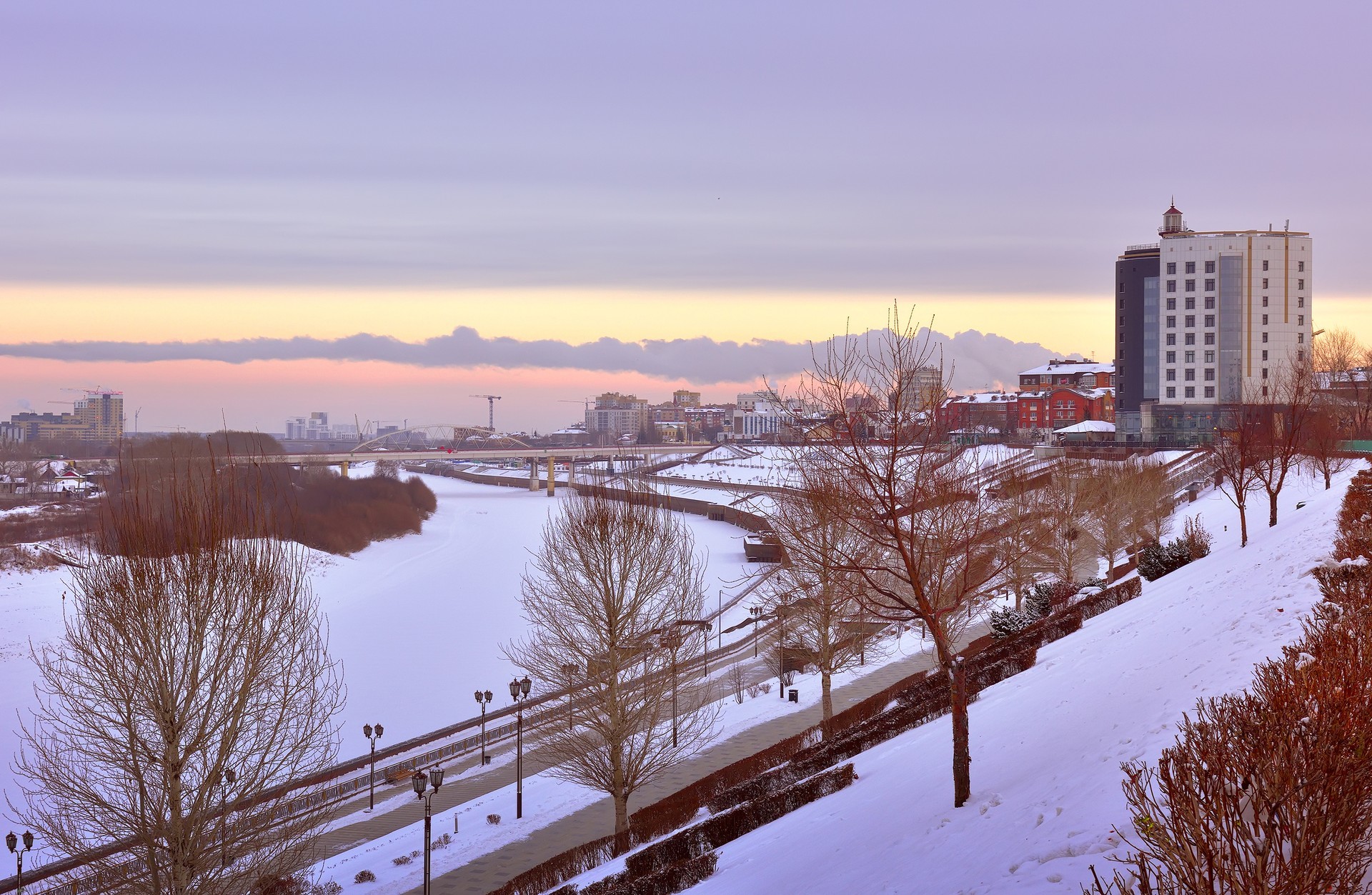
Tyumen stands on the Tura River, a left tributary of the Tobol, and it is from the water that the character of the city is easiest to grasp: a wide embankment, a high bank, old quarters, and modern bridges. For a first walk, I would allow almost the whole day and go without hurrying along the sequence of embankment - bridge - Respubliki Street - Tsvetnoy Boulevard - the square by the drama theatre.
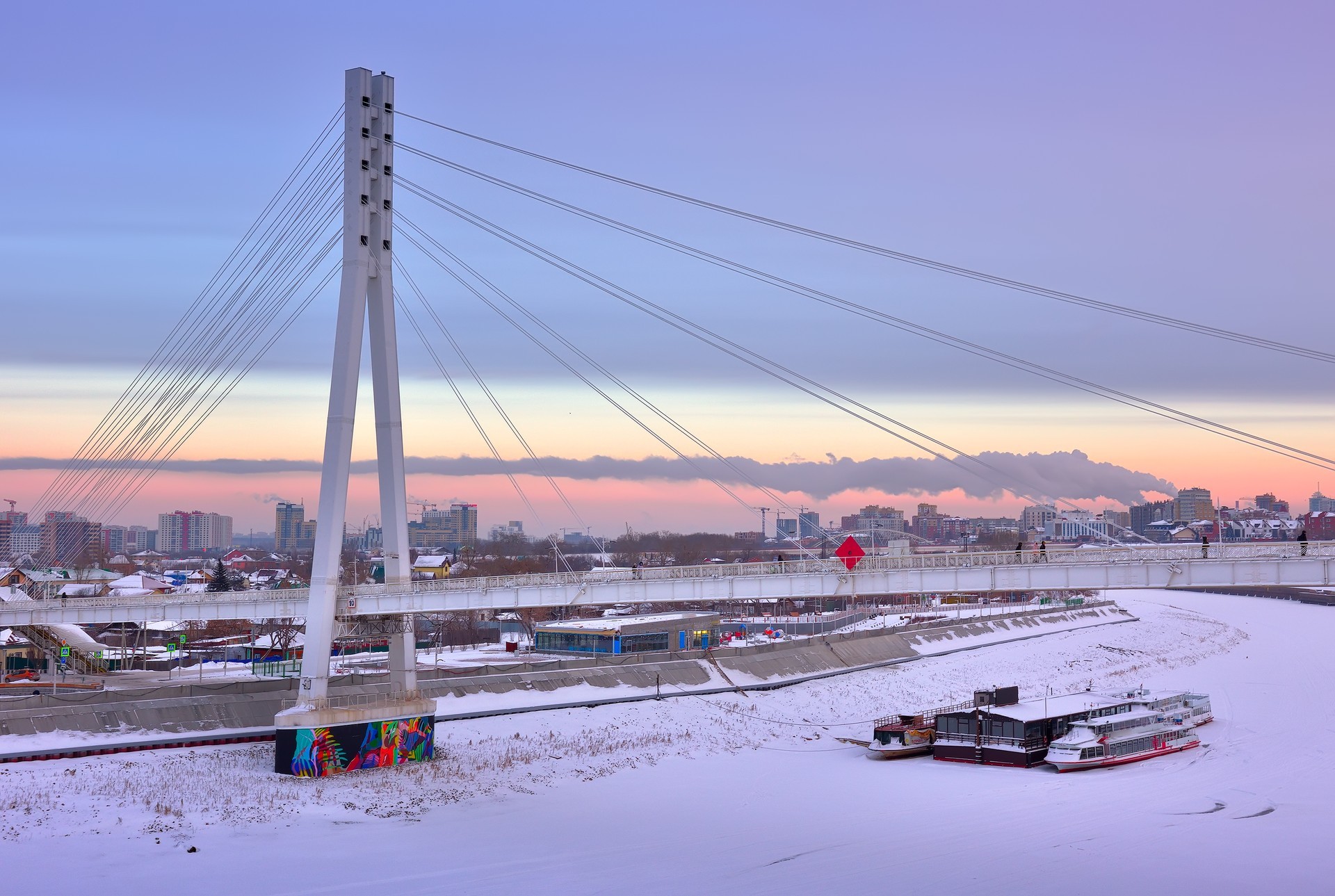
Start with the Tura embankment. This is one of those places where you do not need to look for a special angle: it is enough to walk through several levels of the promenade, go down closer to the water, and look back at the opposite bank. Early in the morning it is quieter here and the light is better for photographs; in the evening it is simply more pleasant to walk. Nearby is the Lovers' Bridge, a pedestrian bridge that has long become one of the city's main viewpoints. From it, there are good views of the bend of the Tura and the central part of the city.
From the embankment, it is easy to go up towards Respubliki Street - one of the city's main axes, where administrative buildings, merchants' houses, and later development stand side by side. On the way, stop by Tsvetnoy Boulevard: this is a long promenade with rides, fountains, and open space, where Tyumen residents come not for a museum but for the rhythm of the city. If you still have energy, finish the day by the Tyumen Drama Theatre: the square in front of it is especially good at dusk, when the lighting comes on.
For a first introduction, it is useful to open the general section about the city as well: Tyumen. It will help you get your bearings by district and logistics before your walk.
- The best time for this route is morning or evening, when there is less wind from the river.
- You need comfortable shoes: in the centre it is easy to rack up a lot of steps even without long transfers.
- If you are coming for one day, this route can be considered the basic one.
Historic centre: merchants' streets, monasteries, and old stone houses
Tyumen's main sights are not limited to postcard views of the embankment. The most interesting part begins in the old centre, where the layout of the first Russian city in Siberia can still be traced. Tyumen was founded as the first Russian city in Siberia, and this is felt especially not in one ceremonial place but in the transitions between quarters - from business streets to quiet lanes with churches and old facades.
One important stop on the walk is Holy Trinity Monastery. It has a strict, almost northern silhouette, and it is better to come here not on the run between other plans but separately, to look at the ensemble away from the bustle of the centre. Nearby is Historical Square - the place from which conversations about the city usually begin. It is a convenient point for understanding the terrain of the Tura bank and imagining how early Tyumen developed.
Next, it is worth walking to Znamensky Cathedral. Even if you are not planning a long church route, the cathedral matters as part of the city's fabric: around it, it is especially noticeable how old spiritual centres and the business rhythm of the regional capital stand side by side in Tyumen. On the way, pay attention to the merchants' houses on Respubliki and Lenina streets: not all of them are striking on their own, but together they create that very feeling of a Siberian city that grew not in one burst but in layers.
If you want a less ceremonial route, leave the main roads and go into courtyards and side streets. There Tyumen is calmer: carved wooden houses appear in fragments, but they are exactly what adds a living texture to the walk. This is a good way to see interesting places in Tyumen without crowds and without the feeling that you are moving through a checklist of mandatory stops.
Museums and places worth visiting on the second day
On the second day, I would alternate between the street and museum stops. You can start with the I. Ya. Slovtsov Museum Complex - one of the city's main cultural addresses, visited not only for the permanent exhibition but also for temporary exhibitions. Conveniently, after the museum you do not need to rebuild your route completely: from here it is easy to return to the centre and continue the day on foot.
If local history interests you, add the City Duma Museum. It helps you see Tyumen not only as a transit point on the way to Tobolsk or farther north, but as an independent Siberian urban world with its own pace and its own logic of regional development. A good pairing with the museums is a walk through Siberian Cats Square - a small place, but memorable and very urban in mood.
Among green spaces, Aleksandrovsky Garden and Gilevskaya Grove are worth noting. Aleksandrovsky Garden is suitable for a short pause in the centre, while Gilevskaya Grove is better for a calmer walk when you want to get away from transport noise. If you are travelling with children or simply like large park spaces, it is better to plan the grove as a separate block for several hours rather than fit it in between museums.
When there is time left, many use Tyumen as a base and continue farther around the region. The most logical historical side trip is Tobolsk, a town in the north of the southern part of Tyumen Region, located at the confluence of the Tobol and the Irtysh and founded in 1587. A full trip there requires a separate day, but to understand the scale of the region, it is useful to keep it in mind already while walking around Tyumen.
Thermal springs, parks, and walks beyond the postcards
If you have already covered the basic centre, Tyumen has another strong point - short outings without complicated logistics. Most often, this means the thermal springs in the city's surroundings. This is less about an excursion and more about a way to reset the trip: especially pleasant after long walks through the centre. The budget depends on the type of complex and the time of visit, but you should expect roughly several hundred or a couple of thousand RUB for admission and related expenses.
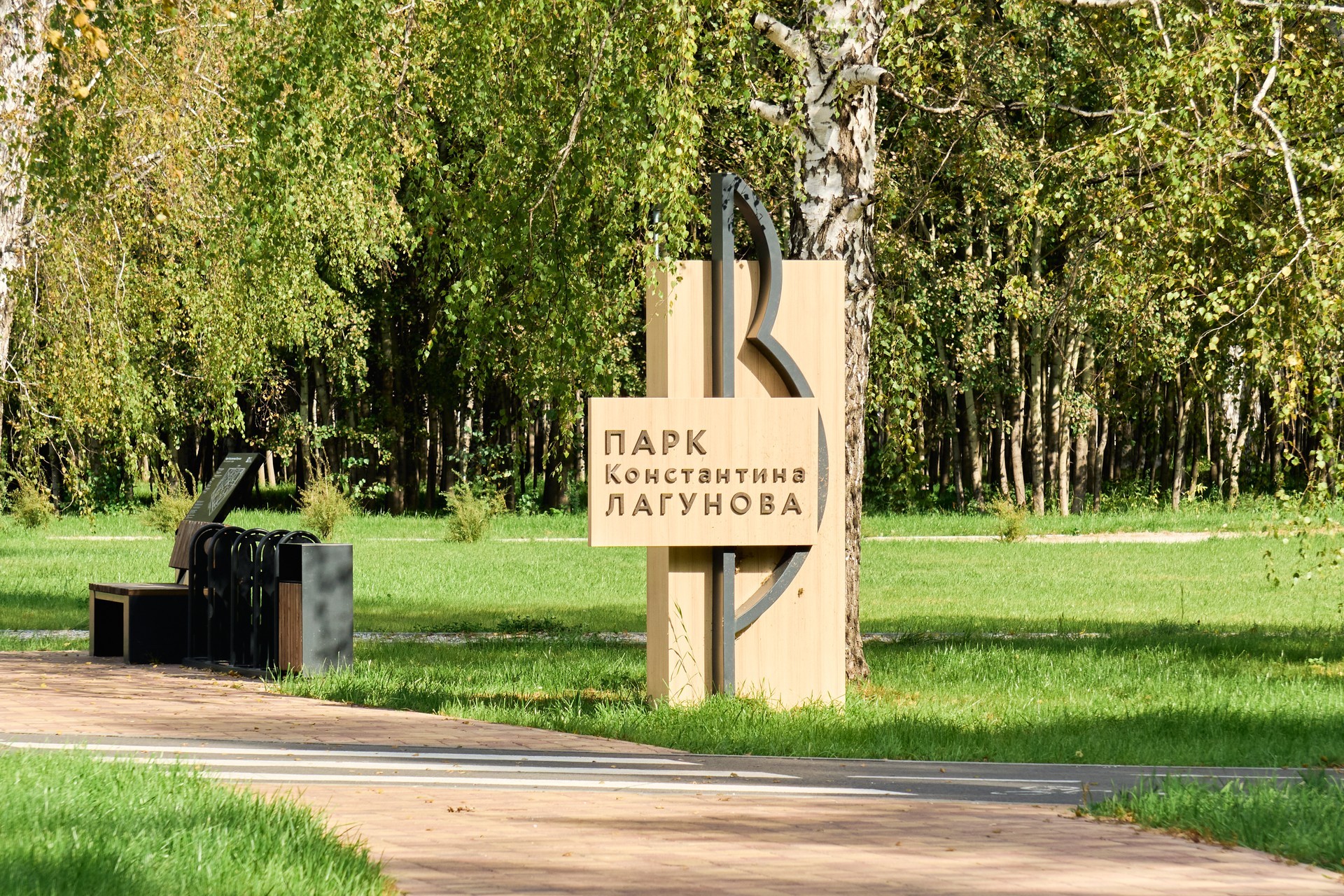
For a calm walk without going far, Zatyumensky Ecopark is a good option. It works well if you want forest air, walking paths, and the feeling that you have briefly stepped out of the big city. Unlike the ceremonial embankment, the route here is built not around views but around movement: you can simply walk without marking every point on the map.
Another place for an unhurried pace is the bank of the Tura outside the most central sections. It is worth remembering that the river shapes the weather of the walk: the wind off the water can be noticeable even on a warm day. That is why it is convenient to leave the embankment and bridge for the first half of the day or for evening, and parks and museums for the hours when the sun is harsher or the weather is unstable.
If, however, you want to make the trip fuller, Tyumen works well as a base for moving around the region: after the city, you can plan Tobolsk, and in the warm season, trips to villages, old roads, and natural sites in the south of the region. But for 1-2 days, it is better not to spread yourself too thin and to keep the city itself as the priority.
Practicalities: when to go, what to bring, and how much time to allow
The most convenient format for a first acquaintance is to come for 2 days. One day goes to the centre, the Tura embankment, churches, and merchants' streets; the second to museums, parks, or thermal baths. If you have only one day, do not try to cover everything: it is better to do a strong walking route and leave the museums for the next trip.
What to bring with you:
- comfortable shoes for a long city walk;
- a light windbreaker or an extra layer of clothing for the embankment and the bridge;
- a small thermos or a bottle of water, especially if you are doing a long route without a car;
- swimwear, if you are planning thermal springs;
- a power bank: you will probably want to take a lot of photos in the centre and on the embankment.
In terms of budget, a trip to Tyumen is usually predictable. An independent walk around the centre requires almost no spending apart from food and transport. For museums, it is worth allowing roughly from several hundred RUB per ticket; for thermal springs, roughly from several hundred to a couple of thousand RUB depending on the type of trip. Taxis around the city are helpful if you need to move quickly from the centre to a park or an out-of-town point, but in the historic core it is more convenient to walk.
As for what to avoid: do not plan an overly tight schedule on a freezing or windy day, and do not leave all the most interesting things for the evening. Tyumen reveals itself better in normal daylight - especially the streets of the old centre, church facades, and views from the Lovers' Bridge.
Where to stay
For a short city trip, it is more convenient to choose a hotel with straightforward logistics to the centre or the main roads.
- Domino - hotel from 2,500 RUB, about 2520 m from the centre, with wi-fi, free parking, and a swimming pool. Suitable for those who want to combine city walks with a calmer evening.
- Mayak - hotel from 2,000 RUB, about 3220 m from the centre, with wi-fi and free parking. A practical option for a short trip without extra expenses.
- Agat - hotel from 2,600 RUB, about 3220 m from the centre, with wi-fi and free parking. Convenient if you need a simple city accommodation format.
- Max - hotel from 2,500 RUB, about 3920 m from the centre, with wi-fi and free parking. Suitable for those travelling by car.
- Tyumen on Respubliki Hotel-Hostel - from 2,300 RUB, about 3850 m from the centre, pets are allowed, with wi-fi and free parking.
Summary: how to put Tyumen together without rushing
In short, what to see in Tyumen on your own: start with the Tura embankment and the Lovers' Bridge, then walk through the historic centre, add Holy Trinity Monastery, Znamensky Cathedral, Tsvetnoy Boulevard, and one of the museums. For the second day, save the I. Ya. Slovtsov Museum Complex, Gilevskaya Grove, Zatyumensky Ecopark, or a trip to the thermal springs.
Tyumen does not require complicated preparation and does not force you to run between distant points. This is a city best discovered on foot: walk along the Tura, turn off the main street into a quiet quarter, go into a museum, come back out to the water, and by evening put together a complete impression without racing through a checklist.
Frequently asked questions
For a first introduction, 1-2 days are enough. In one day, it is realistic to walk through the centre, the Tura embankment, the Lovers' Bridge, and several key streets, and leave the second day for museums, parks, or thermal springs.
The most comfortable time is when you can walk a lot: late spring, summer, and early autumn. In winter, the city is interesting too, but you need to take into account the wind on the embankment and allow more time for getting between places.
Be sure to bring comfortable shoes and an outer layer against the wind, especially if you plan to walk for a long time by the Tura. For the second day, water, a power bank, and swimwear will be useful if you are going to the thermal springs.
If you explore on your own, the main expenses are transport to the city, food, local transport, and museum tickets. For museums, it is usually worth allowing roughly several hundred RUB per ticket; for thermal springs, roughly from several hundred to a couple of thousand RUB.
Yes, and it is one of the most convenient Russian cities for a short walking trip. The historic centre, embankment, bridge, cathedrals, and some museums are located so that it is easy to walk between them, and if needed, more distant points can be reached by taxi or public transport.